
Rather than what you can’t do, focus on what you want to achieve over the holidays. For example, you may want to spend more time with your family or focus on sobriety. Whatever your goals are, make sure they are realistic and achievable. Take a moment during the holiday season to think about your progress. Think about the positive changes you’ve made and what you’ve achieved in your recovery.

Dry January Without Alcohol: Healthy Alternatives and What to Do With Your Time
Your recovery matters – today, during the holidays, and every day that follows. Get in touch with our team to learn more about how we can help you commit to your recovery and come up with personalized ways to stay sober during the holidays. Whether you’re taking your first step toward sobriety or strengthening the progress you’ve already made, you don’t have to navigate it alone. Choosing sobriety during the holidays is one of the most powerful acts of self-respect and long-term healing you can make.
Ten signs a loved one has an addiction
Meaningful conversations not only distract from the absence of alcohol but also foster deeper connections. Or suggest other activities like dancing to shift the focus away from drinking. In our program, residents will receive individualized care from a team of recovery specialists. We’ll help you develop coping skills, find healthy outlets for stress, and build a support network to help you through tough times. Remember, staying sober during the holidays isn’t just about saying no to alcohol.
Your Guide to Residential Mental Health Treatment Across Key US Locations
Whether you’re facing holiday-specific challenges or navigating your overall recovery journey, we’re here to guide you. The holiday season can feel isolating at times, but staying connected with your recovery network can help you stay grounded. Attend extra 12-step meetings or connect with friends who understand your journey. It’s important to continue any therapy or treatment you are currently undergoing during the holiday season. Sticking to your therapy schedule can provide stability and a valuable outlet for any stress or emotions you may experience. Additionally, finding time for activities you enjoy and that keep you grounded, such as reading, meditation, or hobbies, can be a great way to maintain balance.

Building a Supportive Holiday Environment
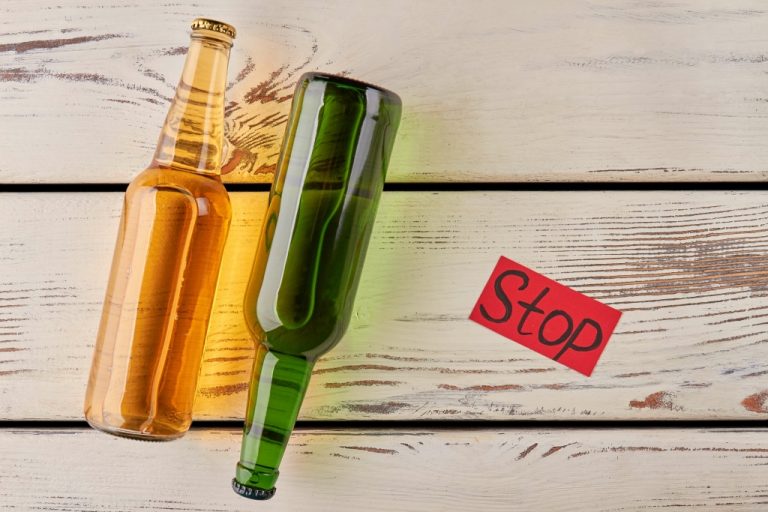
We have some ideas about how to strengthen your recovery, including eight tips for staying sober during the holidays. For many, the holidays bring up strong emotions tied to past experiences. If you’ve previously used substances during holiday celebrations, those memories can resurface and create cravings. Feelings of loneliness or grief may also arise, especially if you’re spending the holidays away from loved ones or reflecting on relationships lost during your addiction. These emotional triggers can make it harder to resist the urge to relapse. It’s easy to forget about maintaining your recovery routine when you’re in the middle of holiday chaos.
- And always remember that help is available if you need it.
- In case you forgot, the holidays are all about gratitude.
- The holiday season can amplify feelings and memories that are tough to handle, creating emotional pressure to fall back on old habits.
- Every late-November through December we are encouraged—sometimes even pressured, directly and indirectly—to celebrate the holidays that mark each year’s conclusion.
- Attending AA meetings, spending time with sober friends, and focusing on self-care are only a few steps to remaining sober during such holidays.
- Staying present in the moment is key to navigating the busy and often chaotic holiday season.
Even with the best communication, setting boundaries with family can still be challenging. But it’s important to let them know what you need to feel comfortable during the holidays. If you’re looking for resources and tools sober holidays to help you stay on track in your recovery during the holidays, AddictionResource.net has got you covered. An estimated 40% to 60% of people who receive treatment for substance abuse experience relapse at some point.
Self-care is any activity that we do deliberately in order to take care of our mental, emotional, and physical health. Although it’s a simple concept in theory, it’s something we very often overlook. Good self-care is key to improved mood and reduced anxiety. It’s what is Oxford House also key to a good relationship with oneself and others.
- Some people drink or use drugs when they’re lonely or sad.
- Many local recovery clubs have meeting marathons during the holidays.
- Identifying these factors can help you avoid them in the future.
- If someone pushes your boundaries, don’t feel bad about stepping away or leaving the situation altogether.
Why staying sober can be difficult during the holidays
By setting up a proactive plan, you can approach each holiday event with confidence. The holidays often involve alcohol-centric gatherings, family dynamics, and increased social obligations, which https://kiddoumart.com/how-to-stop-alcohol-cravings-naturally/ can be daunting. Emotions like loneliness, stress, or grief can also arise, potentially triggering past behaviors. Instead of trying to support yourself without outside help, Aguayo suggests attending holiday gatherings with a sober friend, sponsor, or supportive family member. By being aware of potential challenges, you can establish an exit strategy if cravings feel overwhelming. You might also choose to bring your own non-alcoholic drinks or snacks, which act as small tools to help you blend in without compromising your boundaries.